

The Connected Patient & Family
Questions that could have been answered digitally become interruptions during already busy clinical workflows. Discharge instructions are forgotten or not understood and follow-up compliance declines. None of these failures occur because clinicians aren't committed. They occur because the communication pathway wasn't established early enough.
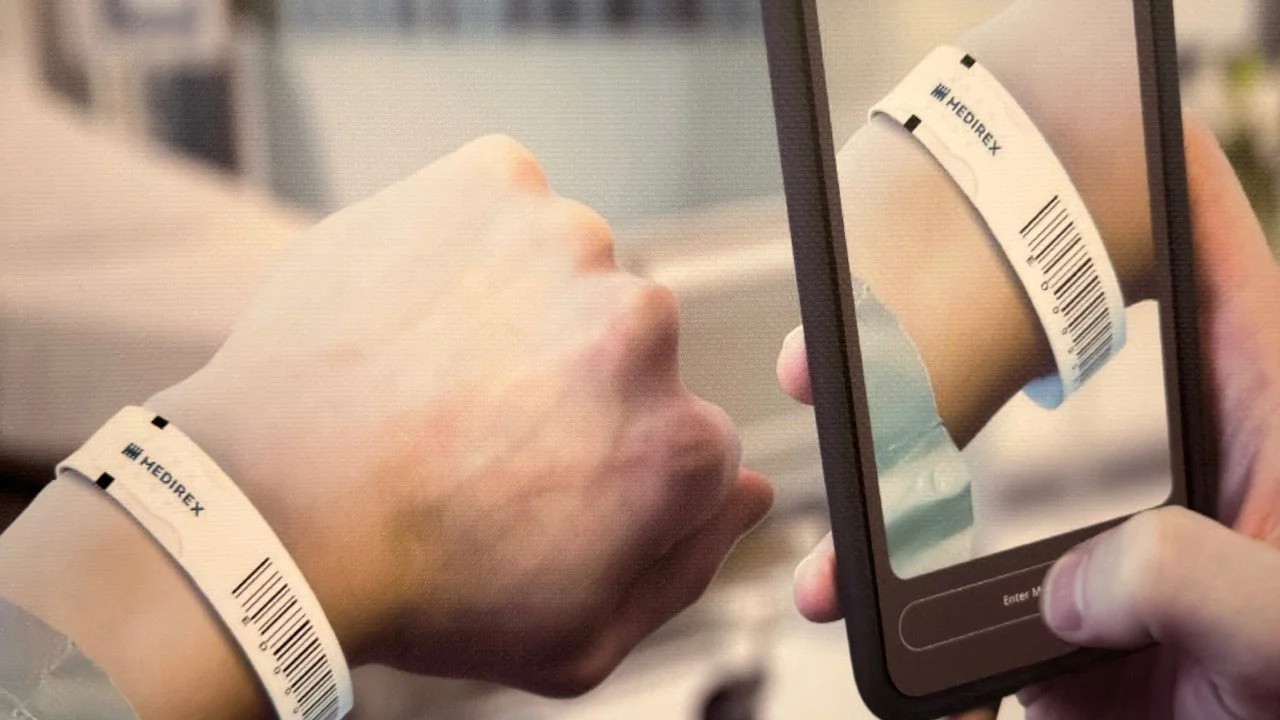
From Wristband to Digital Token
Most wristband workflows focus on one question: “Is this the right patient?” That question is essential. It sits at the centre of medication safety, specimen collection, imaging, transport, procedures, documentation, and discharge. However, modern health care increasingly depends on another question: "Can this patient securely access & easily our digital tools or required workflow?”
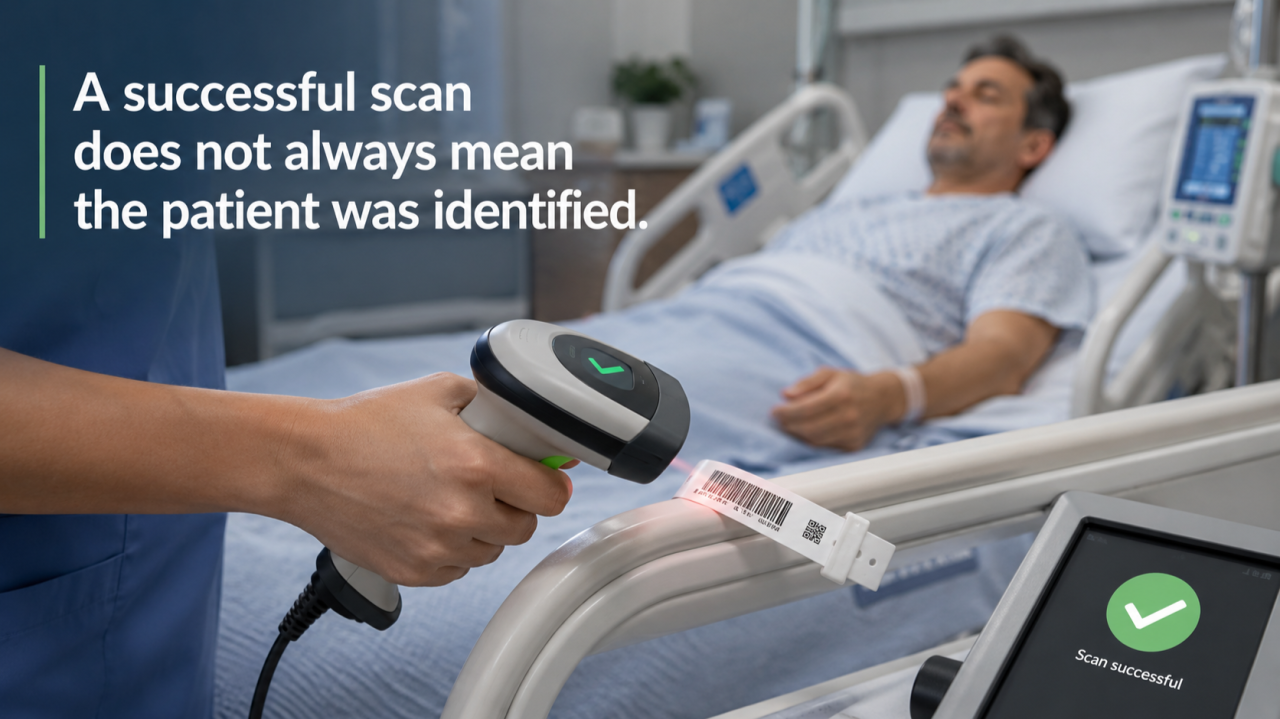
The Hidden Audit Trail of Identity Failure
To the system, the scan may look successful. To the dashboard, it may look compliant. To the audit report, it may look like the barcode process worked, but from a safety perspective, the identity process has failed. The barcode identified the wristband. It did not necessarily identify the person. That is the hidden audit trail of identity failure. More precisely, it is the missing audit trail. The most important failure may be the one the system never recognizes as a failure, it’s accepted.

The Patient as the Missing Identity Factor
Patients already play a role in identity assurance every day. They correct the spelling of their name. They question a medication they do not recognize. They notice when a specimen label has the wrong date of birth. They remind staff about an allergy. They ask why they are being taken for a test they were not expecting. They say, “That is not my wristband.” They say, “That is not my medication.” They say, “I already had that done.” They say, “I think you have the wrong person.” These moments matter.
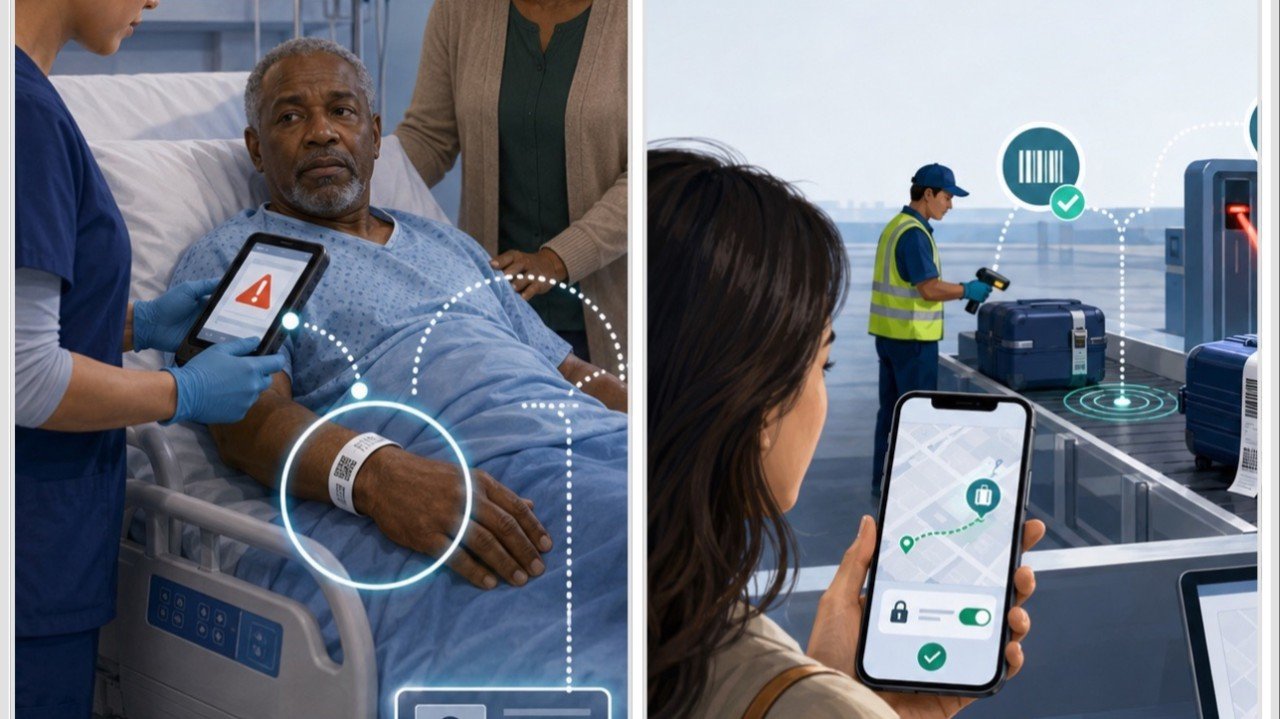
When the Identity System Fails
Hospitals are complex. Emergency care is unpredictable. Not every patient can speak. Not every patient arrives with identification. Not every registration record is clean. But local flexibility also creates risk. If the identity process is mostly internal, mostly local, and mostly invisible to the patient and family, the system may not generate a clear “identity uncertainty” signal until harm has already occurred. In baggage, an exception becomes a case. In health care, an identity exception must become a safety event.
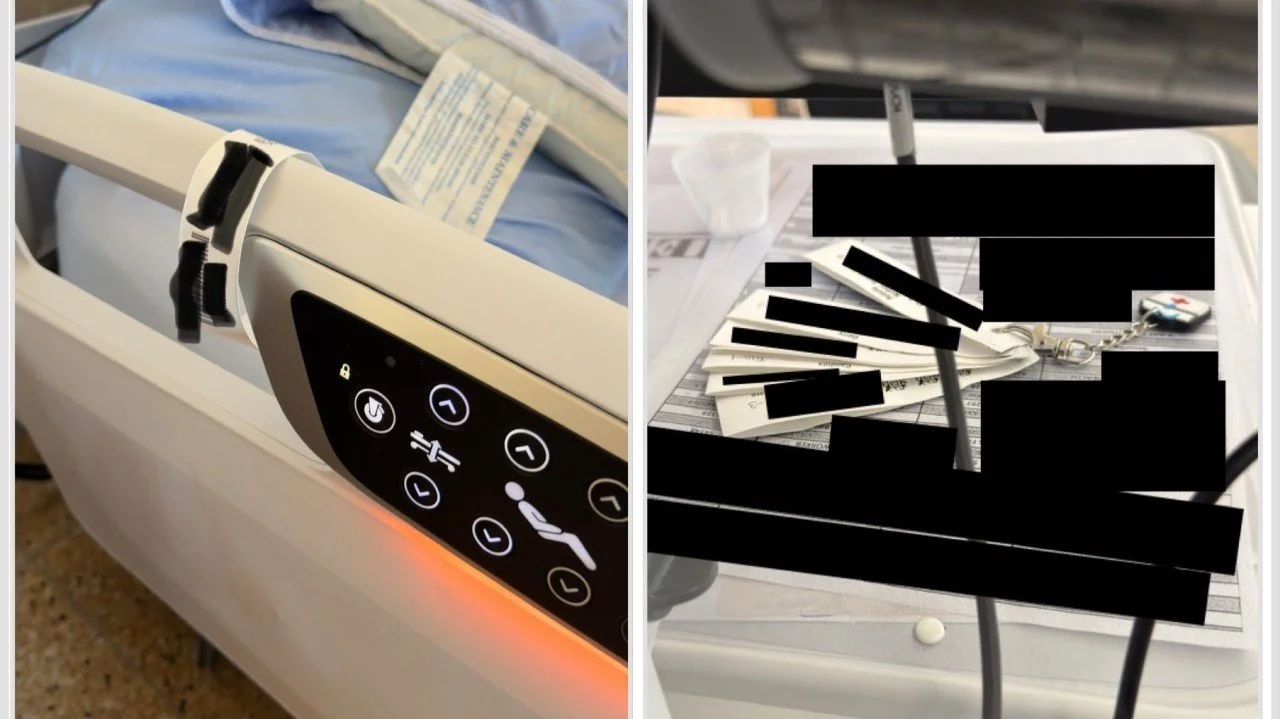
When the Wristband Leaves the Wrist What happens when scanning fails — and who fills the gap?
Patient identity is not protected by the wristband alone. It is protected by the relationship between the patient, the team, the workflow, the technology, and the safety culture around exceptions. The wristband tells the system who the patient is supposed to be. But when the wristband leaves the wrist, the system may still think identity has been confirmed.
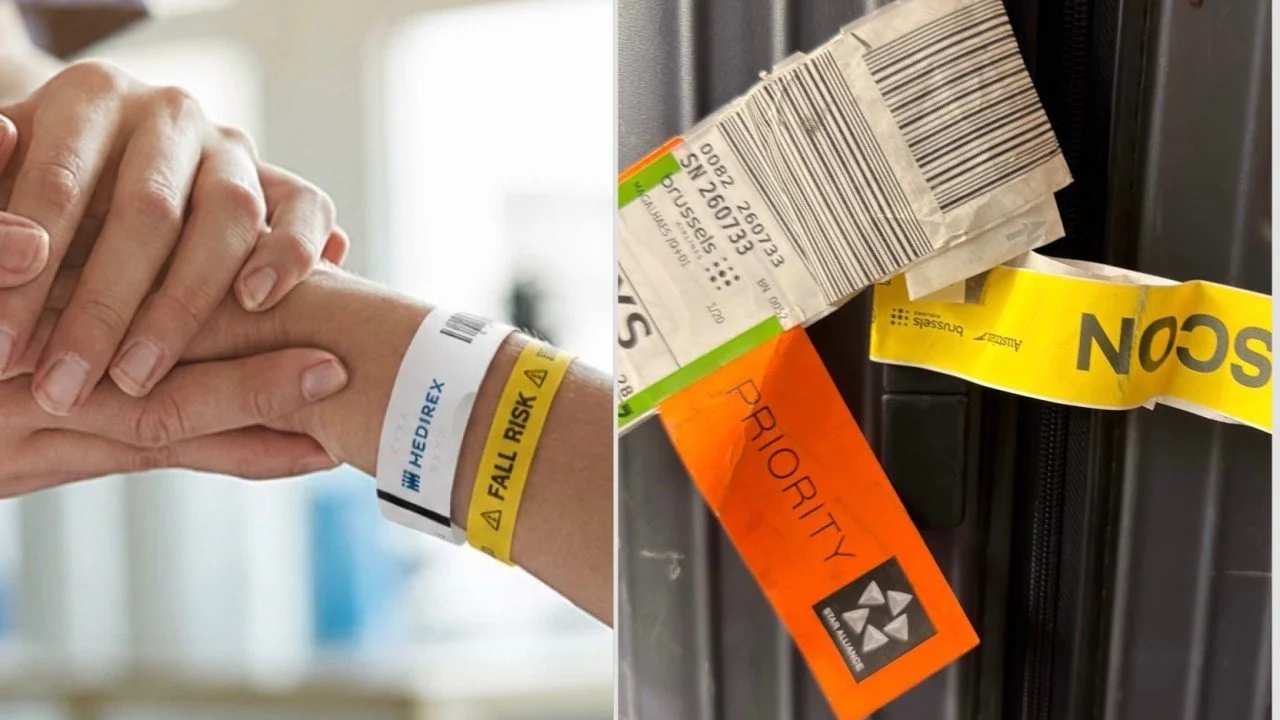
Barcode Tells the System. Colour Tells the Team: What Health Care Can Learn from Aviation
Aviation still uses visible tags, colour-coded identifiers and human-readable information because not every situation is routine. Some bags are priority. Some bags are connecting to another flight. Some require special handling. Some miss a scan. Some are delayed, rerouted or damaged. Health care is no different. A patient identification wristband connects the patient to the digital record. A barcode can support positive identification for medication, specimens, diagnostics, procedures and movement through the hospital.

Safe Practices in Hospital Settings: The Importance of Wristbands for Patient Safety
Hospital wristbands are essential for patient safety, but only when used correctly. This article explores how poor material choices and outdated practices can create new risks, especially for newborns. Backed by real-world incidents and global safety standards, it outlines practical steps hospitals can take to ensure identification methods do no harm.

Part VI: Direct Thermal Roll – Learn the terminology to set-up hospital success
Direct Thermal Barcode Patient ID System Set-Up Part IV and Part V of our Patient ID Evolution series illustrate how direct thermal...

Part V: Direct Thermal Cartridge – New technology is not always the best technology
Direct Thermal Barcode Patient ID Wristbands: Cartridge and Thermal Roll Technology

Part IV: Comparing Laser and Direct Thermal hospital wristbands
Direct Thermal Barcode Patient ID Wristbands: Cartridge and Thermal Roll Technology

Part III: Selecting the right hospital wristband for your health system
Most popular patient ID wristbands and key product features to consider for your hospital From Part I and Part II of this patient ID...

Part II: Understanding your hospital patient identification requirements
Most popular patient ID wristbands and key product features to consider for your hospital From Part I and Part II of this patient ID...

Part I: Reviewing various hospital wristbands and patient bracelets
Most popular patient ID wristbands and key product features to consider for your hospital From Part I and Part II of this patient ID...

Patient Engagement In a Tech-Savvy World
We live in an increasingly connected world where technology is changing the way we live and interact with each other.

The Importance of Real-Time Feedback
The Beryl Institute defines Patient Experience as “the sum of all interactions, shaped by an organization’s culture that influences...

A Positive Patient Identification Experience Provides Safer Care to Patients
Patient safety is a fundamental principle of health care and is essential to delivering quality care to patients. Studies have shown that...